1
Audit the cleaning moments
We start with the jobs that happen most often: dishes, counters, bath tile, glass, hard floors, appliance detail and quick pickup. Each moment receives a short note about surface sensitivity, moisture level and how much scrubbing pressure people usually apply.
2
Match tool families
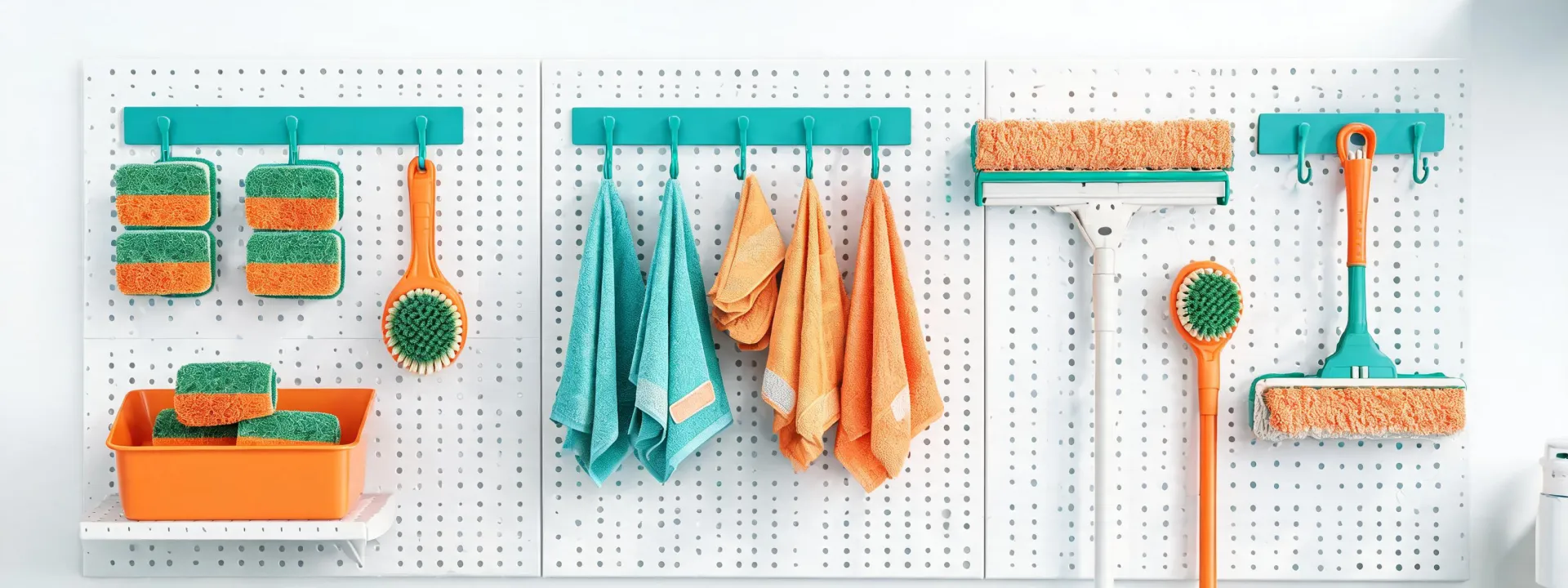
Pads, sponges, microfiber cloths, mops, brushes and squeegees each do a different kind of work. We recommend a tool family before narrowing to a product name so the assortment remains understandable even when pack sizes or refills change.
3
Build the shelf language
Labels should say where a tool works and what problem it solves. Simple language such as non-scratch kitchen, bathroom buildup, hardwood mop refill or streak-free squeegee prevents shoppers from treating every green pad as the same product.
4
Review and refresh
Cleaning habits change with seasons, guests and surface materials. We revisit the routine, remove duplicate items and highlight refills so the system remains easy to shop, easy to train and easy to keep stocked.